The Definitive Guide to Oriental Rug Cleaning: Techniques and Professional Practices
Oriental rugs are not just decorative pieces; they are investments that require careful upkeep. The guide outlines essential techniques for maintaining their beauty and integrity. From understanding different rug types to employing effective cleaning methods, each step plays a vital role in preservation. In addition, the necessity of specialist services and adequate storage conditions cannot be overlooked. What are the best practices to guarantee these treasured items stand the test of time?
Comprehending the Varieties of Oriental Rugs
What sets apart one Oriental rug from another? The answer lies in the spectrum of their origins, materials, and weaving techniques. Oriental rugs are historically crafted in locations such as Persia, Turkey, India, and China, each displaying unique cultural influences and artisan skills. Persian rugs, renowned for their intricate patterns and rich colors, often feature superior wool and silk. Turkish rugs, on the other hand, typically showcase bold geometric designs and vibrant hues, demonstrating the craftsmanship of nomadic tribes. Indian rugs may blend both traditional and contemporary styles, using a diverse array of materials, including cotton and silk. Additionally, the knotting technique varies; for example, Persian rugs usually use the asymmetrical knot, while Turkish rugs often use the symmetrical knot. Understanding these distinctions is essential for recognizing the artistry and value of each rug, as well as for making informed decisions regarding their care and maintenance.
Significance of Routine Maintenance
Regular maintenance of Oriental rugs is important for prolonging their lifespan and making sure they remain in outstanding condition. By preventing dirt accumulation, owners can protect the fibers and structure of the rug. Moreover, ongoing care helps maintain the vibrancy of colors, enabling the rug to retain its beauty over time.
Prolong Carpet Lifespan
A regular maintenance schedule can significantly extend the lifespan of an oriental rug. Routine maintenance not only maintains the rug's aesthetic appeal but also guards its fibers from wear and tear. Simple practices such as periodic vacuuming help prevent dirt from settling deep into the fibers, which can cause deterioration over time. Furthermore, rotating the rug every few months provides even exposure to sunlight and foot traffic, reducing the risk of fading and uneven wear. Spot cleaning spills promptly can also mitigate potential damage, maintaining the rug's integrity. Utilizing professional cleaning services regularly will refer to resource additionally protect against long-term issues, allowing the rug to remain a cherished element of home decor for generations.
Prevent Dirt Buildup
Maintaining an oriental rug demands vigilance to minimize dirt accumulation, which can significantly influence its aesthetic appeal and longevity. Routine maintenance is vital, as dirt and debris can work themselves in the fibers, leading to wear and tear over time. Cleaning the rug weekly assists in extract loose particles before they settle deep within the pile. In addition, placing mats or rugs at entry points can help collect dirt before it reaches the oriental rug. It is also advisable to avoid walking on the rug with shoes, as this can bring in more dirt and grime. By adopting these easy yet efficient practices, one can ensure that the rug remains clean and retains its beauty for years to come.
Maintain Color Vividness
Neglecting an oriental rug often leads to dullness and fading, consistent maintenance plays an important role in preserving its color vibrancy. Consistent cleaning, which includes careful vacuuming and stain removal, helps remove soil and dust that can penetrate fibers, dulling their appearance. Additionally, safeguarding the rug from direct sunlight is critical, as sun exposure can result in colors fading gradually. Professional treatment every few years can also rejuvenate the fibers and restore their rich hues. Moreover, repositioning the rug from time to time provides even wear, avoiding some areas from appearing more worn than others. By maintaining these maintenance practices, one can greatly increase the lifespan and color intensity of an oriental rug, making certain it remains a beautiful focal point.
Fundamental Sanitizing Practices
For maintaining the beauty and longevity of oriental rugs, effective cleaning techniques are vital. This section will explore proper vacuuming methods that protect the rug's fibers and explore practical spot cleaning strategies for treating stains. By employing these basic techniques, one can guarantee the rug remains in excellent condition.
Techniques for Vacuuming Rugs
Effective vacuuming practices are essential for preserving the beauty and longevity of oriental rugs. Routine vacuuming extracts dust and dirt that can create wear and tear on delicate fibers. It is recommended to use a vacuum cleaner with a suction control feature to stop damage. A beater bar or rotating brush should be avoided, as these can pull on the rug's fibers. Alternatively, a vacuum with a smooth nozzle is recommended for gentle cleaning. Vacuuming should be carried out in the direction of the pile to reduce stress on the fibers. Moreover, it is wise to vacuum the underside of the rug periodically, as dust can gather there as well. Following these techniques will help preserve the rug's vibrant colors and intricate designs.
Spot Cleaning Methods
Should spills or stains develop on an oriental rug, prompt and appropriate spot cleaning is vital to stop permanent damage. The first step requires blotting the stain gently with a clean, absorbent cloth to absorb excess liquid. It is important to avoid rubbing, as this can spread the stain into a larger area. For most stains, a mixture of mild soap and water can be effective; however, testing a small, unnoticeable area first is advisable to confirm colorfastness. After applying the solution, blot repeatedly with a clean cloth to lift the stain. Rinsing the area with plain water and drying it thoroughly eliminates residue buildup. Using these methods can increase the lifespan and beauty of an oriental rug.
In-Depth Cleaning Methods
Professional deep cleaning approaches for Oriental rugs call for careful consideration and specific procedures to maintain their complex motifs and fibers. Commonly, these techniques include a thorough inspection of the rug to detect any specific needs, such as mending or particular dirt accumulation.
A widely-used method is the use of a delicate vacuuming process to get rid of loose dirt and debris, followed by a wash treatment that uses mild, pH-balanced detergents suitable for delicate fibers. Manual cleaning is often recommended, permitting improved control over water consumption and cleaning agents.
Rug specialists may also make use of steam cleaning, ensuring that the temperature and pressure are controlled to prevent damaging the dyes and fibers. After cleaning, proper drying is essential to prevent mold and mildew growth; this may require flat drying or hanging methods in a controlled environment. These comprehensive cleaning procedures help sustain the rug's beauty and longevity.
Spot Treatment and Stain Elimination
Preserving the beauty of an Oriental rug also requires addressing stains and spots immediately. Immediate action can avoid permanent damage, preserving the rug's intricate patterns and colors. When a spill occurs, the first step is to blot—never rub—the area with a clean, dry cloth to absorb excess liquid. Depending on the type of stain, a mild detergent blended with water can be applied gently. It is crucial to test any cleaning solution on a hidden area first to ensure it does not cause discoloration.
For organic stains, like food or pet accidents, a blend of white vinegar and water can be effective. Once cleaned, the area should be rinsed with a damp cloth to remove any soap residue, then dried thoroughly. Regular spot cleaning not only maintains the rug's aesthetic appeal but also extends its lifespan, making it an essential practice for any Oriental rug owner.
Expert Cleaning Services
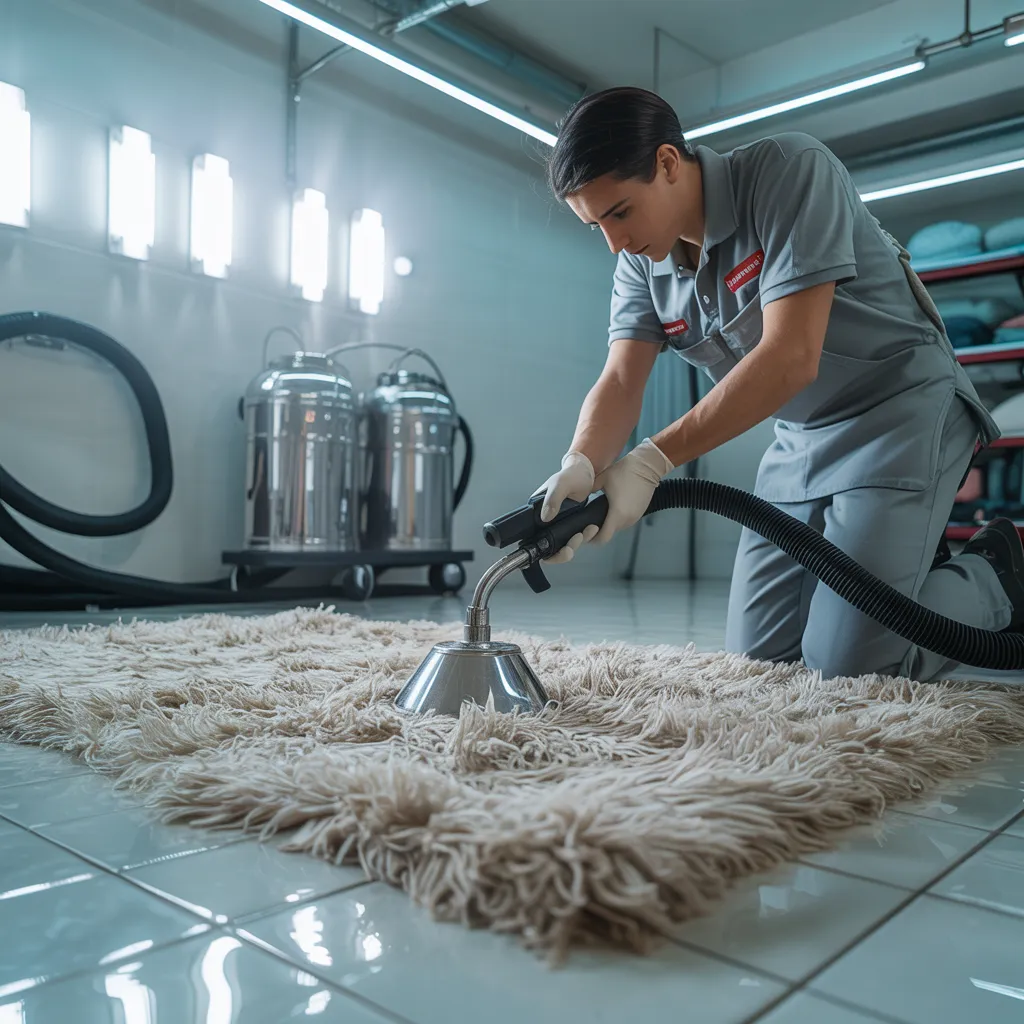
Expert cleaning companies provide expert care for Oriental rugs, ensuring they receive the attention needed to protect their beauty and integrity. These services use trained technicians who understand the distinctive materials and construction techniques of various rugs. They use appropriate cleaning methods customized to each rug's specific needs, including careful washing, drying, and treatment for any stains or damage.
The use of advanced equipment and environmentally friendly cleaning solutions further improves the effectiveness of professional services while minimizing potential damage to the rug. Regular professional cleaning not only eliminates dirt and allergens but also assists in maintaining the vibrant colors and intricate patterns that distinguish Oriental rugs.
Additionally, reliable cleaning companies often deliver additional services, such as repairs and restoration, which can be critical for preserving the rug's longevity. By investing in professional cleaning, customers can guarantee their Oriental rugs remain in outstanding condition for years to come.
Storing and Protecting Your Rug
With regards to maintaining and securing an Oriental rug, adequate care is critical to sustain its beauty and lengthen its lifespan. First of all, the rug ought to be completely cleaned before storage to avoid dirt and debris from causing damage. After cleaning, it is wise to roll the rug instead of folding it, as folding can lead to creases and permanent damage. The rug ought to be wrapped in breathable fabric, such as cotton or muslin, to guard it against dust and moisture.
Storing should occur in a cool, dry area away from direct sunlight, which can diminish colors and compromise fibers. It is also useful to use moth repellents to deter pests. Regular inspections during storage can help spot any potential issues before they become severe. Following these guidelines assures that the Oriental rug remains in pristine condition for years, ready to beautify any space once it is brought back into use.
FAQ
What's the Ideal Vacuuming Schedule for My Oriental Rug?
Oriental rugs should ideally be vacuumed once a week to get rid of dirt and debris. That said, the frequency can vary relative to foot traffic and the rug's location, with higher traffic areas calling for more frequent cleaning to keep up appearance.
Is It Safe to Use a Steam Cleaner on My Rug?
Using a steam cleaner on an oriental rug is generally not recommended. Both heat and moisture have the potential to damage the fibers and dyes, potentially resulting in warping or discoloration. Professional cleaning methods are safer and more effective.
Which Natural Solutions Should I Use for Stains?
Eco-friendly options for stains on rugs include lemon juice, baking soda, and white vinegar. These natural products can effectively remove stains without affecting the fibers, making them a reliable choice for maintaining the rug's appearance.
How Do I Determine the Fiber Content of My Rug?
To establish a rug's fiber content, analyze the texture and appearance. Carry out a burn test on a small fiber sample, observing the smell and ash. Consult manufacturer labels or online resources for more clarification.
Can I Safely Use Bleach on My Oriental Rug?
Employing bleach on an oriental rug is not safe. It may harm the fibers and change the coloring, leading to irreversible deterioration. Proper cleaning techniques should invariably be used to protect the rug's quality and look.